
New Guinea Biodiversity Hotspots
Diam in arcu curcus euismod quis viverra nibh cras. In ante metus dictum at tempor commodo ullamcorper. Ultrices eros in curcus turpis massa. Purus in massa tempor nec. Sagittis vitae et leo duis ut. Faucibus purus in massa
Services
After the Amazon and Congo, New Guinea is home to the 3rd largest rainforest in the world.
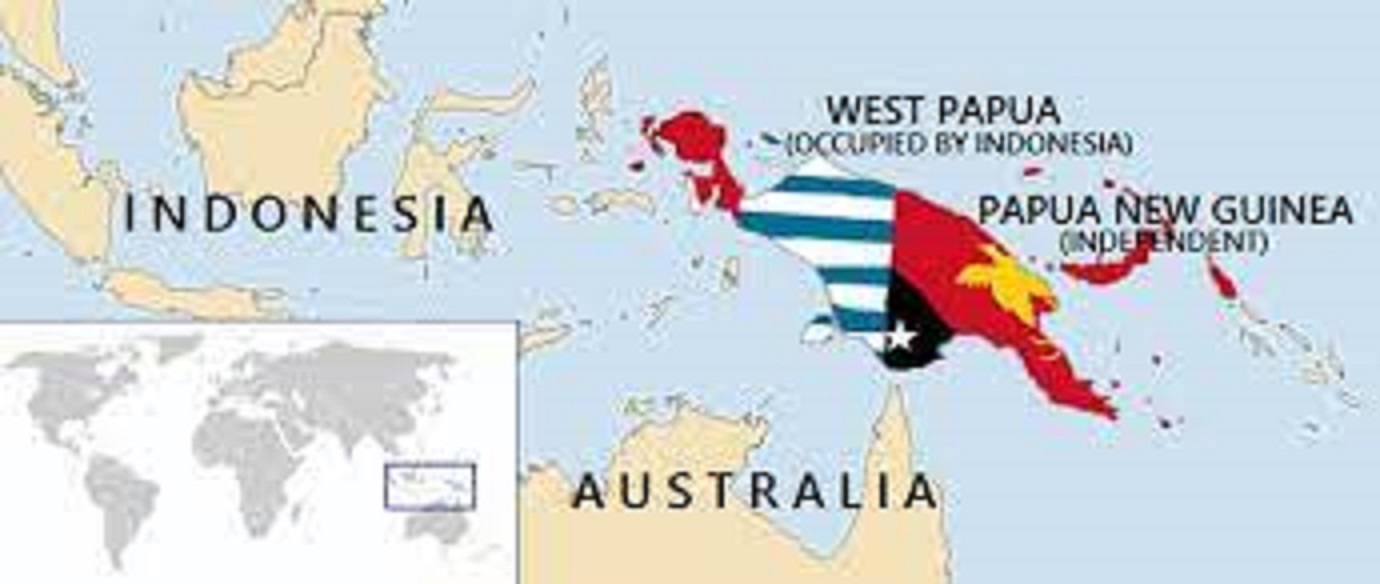
Shared by 2 countries – Papua New Guinea to the east and the Indonesian provinces of Papua and West Irian Jaya to the west – the island covers just 1% of the world's land area but harbours at least 5% of its animal and plant species; 2/3 of which are found only in New Guinea.
Such unique wildlife includes kangaroos that climb trees, carnivorous mice, giant pigeons and rats bigger than domestic cats. And more orchid species than any other place on the planet.
Despite their remoteness, New Guinea's forests face growing threats from logging, mining, wildlife trade and agricultural plantations, particularly oil palm.
WWF has a long history of conservation efforts in New Guinea.
Whether conducting wildlife studies in the depths of the Kikori River Basin and Upper Sepik, assisting with the management of Lorentz National Park or promoting cross-border cooperation in the TransFly ecoregion, WWF is working to preserve New Guinea's forests and wildlife for generations to come.
Unlike their Australian cousins, kangaroos in New Guinea are found in trees.
Although their bodies are designed to hop along the ground like other kangaroos, tree kangaroos have adapted to life in the rainforest.
These macropods climb with agility and speed, and can easily make 10-metre downward leaps from tree to tree.
All 6 species of tree kangaroo in New Guinea are at risk from habitat loss and hunting. As a WWF priority species, we are concentrating our conservation efforts to ensure that they can thrive in the wild.